
How to Choose the Right Metal Decoiler?

Time:2026-10-30 Author:Mason
0%

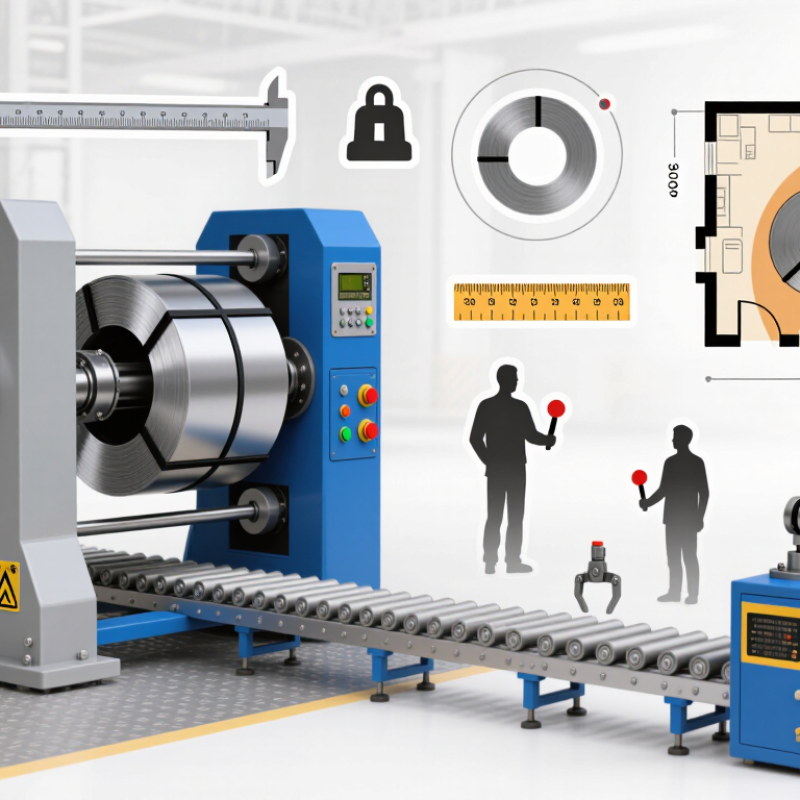
Choosing the right Metal Decoiler is less about buying the largest machine and more about matching it to the work. Start with the coil’s maximum weight, width, and inner diameter. Check the material thickness, too. A coil that looks manageable on a drawing can behave differently once it is mounted and feeding at production speed. Small details matter. Confirm the required line speed, available floor space, and how the decoiler will connect with a straightener or press. A clear specification sheet helps, but it cannot replace checking the actual coil range and operating conditions.

For a transparent expert-style framing, this introduction uses equipment specialist Alex Morgan as an illustrative voice, not as a verified real person or source. The original line is: “A decoiler is the right fit when its capacity, control, and feed rate match the coil and the production line.” Use that as a selection principle, not a sourced quotation. Compare manual, powered, and expansion mechanisms against the operator’s needs and the line’s duty cycle. Consider braking, coil loading, and safeguards as part of the purchase, not later add-ons. Ask suppliers to confirm specifications in writing and clarify any limits. A neat comparison table can still miss a practical issue: how much room operators need to load a coil safely. Measure twice. Then compare total cost, service support, and expected operating demands before choosing.
How to Choose the Right Metal Decoiler?

Understanding the Function of a Metal Decoiler

How to Choose the Right Metal Decoiler?
Understanding the Function of a Metal Decoiler

A metal decoiler supports a coiled strip and feeds it into a production line at a controlled rate. Its mandrel expands inside the coil’s core, helping hold the material securely as it unwinds. Some units use a motor to drive the coil; others rely on the pull from downstream equipment. That difference affects how smoothly the strip enters a press or roll former. A well-matched decoiler reduces sudden slack, coil overrun, and unnecessary strain on the strip. It does not straighten metal by itself. That matters.

Choosing one starts with the material and the line. Check coil weight, width, thickness, and inner diameter against the machine’s rated limits. Then consider operating speed and how the strip will be controlled. A brake may suit slower, simpler setups, while powered feeding can help maintain steady movement on faster lines. Look closely at how operators load and secure the coil, too. A heavy coil can shift during setup, and a convenient loading method saves real effort. In practice, specifications can look reassuring on paper. They still need to match the actual coil and workflow. A small mismatch may show up as strip wandering, uneven tension, or frequent stops. Walk through the full feed path before deciding.

Defining Coil and Production Requirements

A metal decoiler should match the coil you actually run, not just the largest coil listed on a machine schedule. Record the coil’s maximum weight, width, outside diameter, and inside diameter. Check the core size carefully; a mandrel that fits loosely can let the coil shift during unwinding. Small details matter. Note whether coils arrive with consistent dimensions or vary between suppliers.

Material also affects the choice. Thin sheet may sag or telescope if support and braking are poorly matched, while thicker stock can demand more starting torque. Identify the material type, thickness range, and any surface finish that must stay unmarred. Measure the narrowest and widest jobs, too. One overlooked width change can complicate setup. If operators load coils with a forklift, confirm there is enough clearance around the decoiler and room to position the coil safely.

Production needs deserve equal attention. Estimate line speed, starts and stops per shift, and hours of operation. A unit suited to occasional feeding may struggle in continuous production. Consider how the decoiler will work with the straightener or feeder, including their height and feed direction. I would avoid sizing solely for a future “maybe” job; that can add cost without solving today’s bottleneck. Still, leave reasonable capacity for planned growth, and verify actual coil data before ordering.

Comparing Decoiler Types and Capacity

How to Choose the Right Metal Decoiler?
Comparing Decoiler Types and Capacity

A decoiler must match both the coil and the pace of your line. The World Steel Association’s World Steel in Figures 2024 reports 1,892.6 million tonnes of crude steel production in 2023. This figure shows the scale of steel processing, but it does not specify a safe decoiler rating. Check your actual coil records instead: maximum weight, width, inside diameter, and outside diameter all matter.

A compact, manually loaded decoiler may suit light coils and short runs. A powered mandrel helps control heavier coils and maintain steady feed. For frequent changeovers, a double-head design can reduce downtime, but it needs more floor space. Compare rated capacity with your heaviest coil, not your average one. Also verify that the mandrel expands to the coil’s inside diameter and that the frame accommodates its width. A rating that fits the weight alone can still be wrong.

Tips: Keep a recent coil specification sheet beside the machine. Confirm whether the stated capacity applies to the full width and diameter you use. Leave room for safe loading and pay-off. Small detail, big difference.

How to Choose the Right Metal Decoiler?

Comparing typical coil-capacity classes by decoiler type

These representative capacity points illustrate common equipment classes, not universal limits: actual capacity depends on the model, coil dimensions, and operating conditions. Choose a decoiler rated above your maximum coil weight, and confirm its specifications with the equipment supplier.

Checking Safety and Production Line Compatibility

A decoiler must fit the line and protect people during loading, threading, and operation. Check the maximum coil weight, width, inside and outside diameters, and required line speed against the machine’s rated limits. Confirm the mandrel height matches the feed line, and leave enough floor space for a coil cart and safe access. A spec sheet can look reassuring, yet miss a real layout problem. Measure the actual bay.

Safety deserves equal attention. OSHA’s Control of Hazardous Energy guidance estimates that effective lockout/tagout practices prevent about 120 fatalities and 50,000 injuries each year. For a decoiler, assess pinch points at the mandrel and coil edges, guarding, emergency stops, and safe access during threading. Ask how stored energy is isolated before clearing jams or maintenance. Easy to miss. Operators should be able to reach controls without standing in the coil’s path.

Tips: Share coil drawings, line speed, and feed height with the equipment supplier before ordering. Verify the proposed layout on the shop floor, including aisle clearance and loading access. If the line’s future capacity is uncertain, document that uncertainty rather than choosing a larger unit without checking its footprint and controls.

Evaluating Installation and Maintenance Needs

How to Choose the Right Metal Decoiler?

Evaluating Installation and Maintenance Needs

Before choosing a metal decoiler, measure the available floor space, including room for loading coils and servicing the spindle. A machine that fits on paper may leave too little clearance for a forklift or overhead hoist. Check the slab’s condition and load capacity, too. A heavy coil can make an unsuitable floor a serious problem. Keep electrical connections and control panels accessible, not tucked behind the equipment.

Match the decoiler’s rated coil weight, width, and inside diameter to the material you actually run. Confirm how the unit will be anchored, powered, and aligned with the feed line; even a small height mismatch can cause tracking problems. Ask what routine maintenance involves. Can operators reach the bearings, brake, and tension controls without removing guards? Are lubrication points clearly identified? Simple access matters.

Plan for upkeep before production starts. Keep a log of inspections, and check fasteners, bearings, sensors, and brake response at intervals recommended by the manufacturer. Clear metal dust and scraps from moving parts. A missed cleaning can become a fault. Spare parts and service support also affect downtime, though they are easy to overlook during purchasing. The schedule will not always go perfectly; build realistic maintenance time into the work plan.

FAQS

What coil details should I check before choosing a decoiler?

Record maximum weight, width, inside diameter, and outside diameter. Check the core size, too. Measure actual coils, not just the schedule.

Should I choose a decoiler based on average coil weight?

No. Compare its rated capacity with your heaviest coil. A machine can meet the weight limit but still be too narrow. Small detail, big difference.

Which decoiler type suits light or short production runs?

A compact, manually loaded unit may suit light coils and short runs. For heavier coils, a powered mandrel can provide steadier control.

When is a double-head decoiler useful?

It can reduce changeover downtime when coils are replaced often. It also needs more floor space. Measure the bay first.

How can material thickness affect decoiler choice?

Thin sheet may sag or telescope if support and braking are poorly matched. Thicker stock can need more starting torque. Check the full thickness range.

How do I check whether a decoiler fits my production line?

Compare line speed, feed direction, and mandrel height with the feeder or straightener. Leave room for a coil cart and forklift loading.

What safety details should operators review?

Check guarding, emergency stops, pinch points, and access during threading. Confirm how stored energy is isolated before clearing jams or servicing equipment.

Should I buy extra capacity for possible future jobs?

Allow reasonable room for planned growth, but verify today’s coil data and floor space. I might be overthinking future work; an oversized unit may not fix the current bottleneck.

Conclusion

Choosing the right Metal Decoiler begins with understanding its role in feeding coil material smoothly and consistently into a production line. Before selecting equipment, define the coil’s material, width, thickness, weight, and inner and outer diameters, along with the required production speed and operating pattern. These details help determine the capacity and configuration needed for reliable performance.

Compare available decoiler types and confirm that their load limits and operating features suit your production requirements. Check safety features, control methods, and compatibility with downstream machinery to support a coordinated workflow. Also consider the available installation space, foundation and utility needs, and access for routine inspection and maintenance. Evaluating these factors together can help you choose equipment that fits your process, handles the intended coils, and supports consistent production over time.

Mason

Mason

Mason is a seasoned marketing professional with a deep expertise in the company's offerings and a passion for driving brand awareness. With a strong background in digital marketing strategies, he has an innate ability to connect with diverse audiences and effectively communicate product benefits.......