
Engineered Heavy Gauge Slitting & Processing Machinery
Configured specifically to process heavy structural plates, high-yield automotive steels, and extra-thick alloy coils with minimal camber and zero surface degradation.
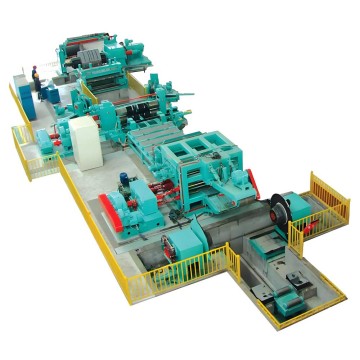
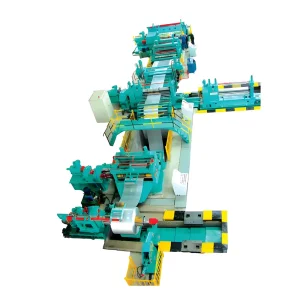
Hot Rolled Sheet Slitting & Recoiling Line
Designed for high-stress heavy-duty coiled strips feeding subsequent cold reduction mills and structural pipe systems.
Explore Line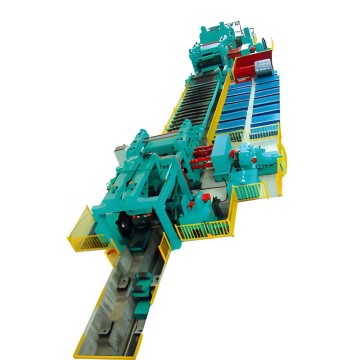
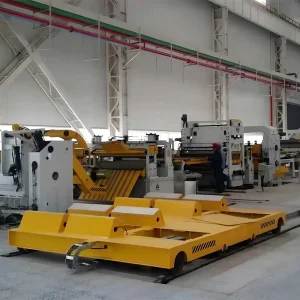
Heavy-Duty HR Slitting & Recoiling Unit
Ultra-rigid arbor housings capable of slitting heavy-wall carbon steel up to 16-25mm at tight dimensional variances.
Explore Line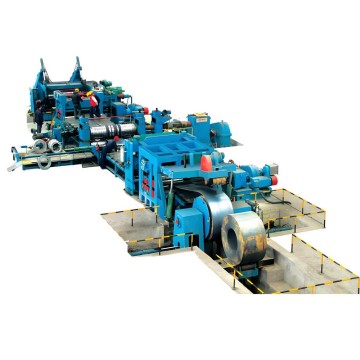
Combined HR Slitting & Cut-to-Length Line
Modular line executing longitudinal rotary slitting alongside synchronous transverse length cutting in a single floor plan.
Explore Line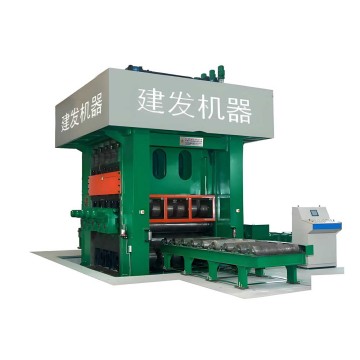
High Strength Hydraulic Leveling Machine
High-torque multi-roller leveler neutralizing extreme yield strain and residual stress in thick hot rolled plates.
Explore Line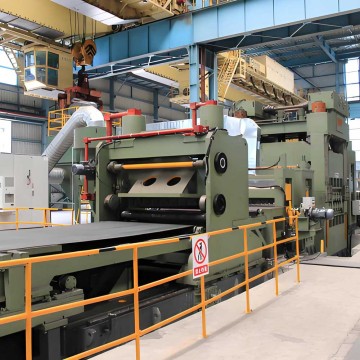
Hot Rolled Plate Dynamic Moving Shear Line
High-velocity synchronized cut execution for continuous heavy gauge lines requiring uninterrupted processing speeds.
Explore Line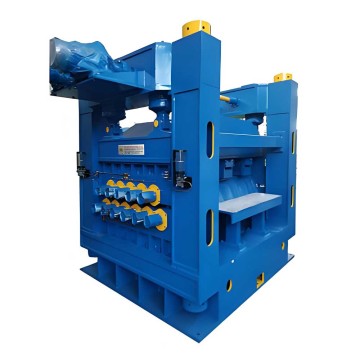
High-Rigidity Straightening Machine
Stabilizes heavy gauge strips ahead of rotary knife heads, eliminating vertical camber and edge waviness.
Explore Line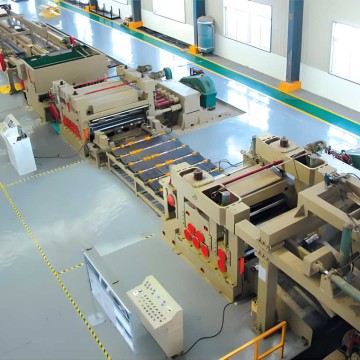
Heavy Gauge Stainless Steel Coil Line
Equipped with non-marking polyurethane contact rolls, high-rigidity arbors, and automated scrap winders.
Explore Line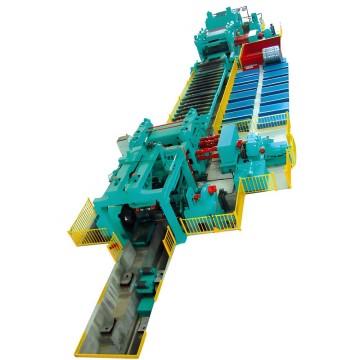
High-Output Heavy Plate Processing Line
Integrated automated packing, uncoiling with hydraulic peelers, and precision heavy-gauge edge trimming.
Explore LineGlobal Heavy-Gauge Coil Processing: Sourcing Trends & Macro Shifts
Analysis of high-capacity slitting line demands across Tier-1 steel infrastructure, automotive frame manufacturing, and offshore wind power structural production.
Shifting Yield Strength Requirements
Global steel service centers are increasingly shifting toward advanced high-strength steels (AHSS) and structural heavy gauges (e.g., Q355B, S355JR, up to Hardox equivalents). Traditional slitting arbors deflect under shear forces exceeding 800 MPa. Modern procurement centers prioritize heavy gauge slitting lines engineered with reinforced bearing blocks, oversized forged arbors (42CrMo), and zero-backlash hydraulic lockup nuts.
Downtime Elimination via Rapid Tooling
In heavy gauge slitting (6mm to 20mm+), knife setup is notoriously time-consuming and labor-intensive. Leading enterprises mandate automated tool changer carousels, dual slitter head exchange beds (turnstile systems), and digital shimless tooling software. A modern heavy-gauge slitting setup must reduce knife changeover intervals from 90 minutes down to under 12 minutes to sustain operating margins.
Closed-Loop Strip Tension Dynamics
Variable strip thickness across a heavy hot-rolled mother coil creates differential strip diameters at recoiling. Advanced heavy gauge lines abandon primitive drag pads in favor of dynamic roll tensioners, belt bridles, and automated pneumatic/hydraulic dual-pad systems that regulate strip tension independently per strand, preventing coil clock-springing and loose core winding.
Engineering Architecture: Solving Deflection, Camber & Edge Burr
A deep dive into the mechanical and control methodologies deployed by Wuxi Jianfa to master thick-gauge strip integrity.
| Engineering Parameter | Standard Slitting Systems | Jianfa Heavy-Gauge Precision Line | Operational Value |
|---|---|---|---|
| Arbor Shaft Rigidity | Single-cast steel, standard bearings, deflection ~0.05-0.08mm | Forged 42CrMo alloy, four-row precision tapered bearings, deflection <0.015mm | Eliminates knife clearance variation; minimizes strip edge burr and prolongs blade service life. |
| Slitter Head Configuration | Fixed single head requiring full in-line downtime for tooling changes | Dual interchange hydraulic shift heads with rapid motorized shuttle car | Offline tooling setup while line runs; slashes turnaround cycles by over 75%. |
| Tension Management | Mechanical friction pads with high risk of strip scoring | Roll-type dynamic bridle + dual hydraulic regulated segmented tension unit | Guarantees uniformly wound tight recoils even with multi-thickness strand differentials. |
| Scrap Evacuation | Manual winding reels, hazardous to operators during strip breaks | Heavy hydraulic scrap cutters with hardened rotary blades or high-torque dual winders | Continuous fragment chopping with zero strip tangling, maximizing line run reliability. |
| Yield Capacity Handling | Standard carbon steels (Yield ≤ 320 MPa) | Ultra-High Strength Steels (AHSS, Yield up to 980-1200 MPa) | Enables processing of naval plate, mining steels, automotive structural beams, and pipe skelp. |
Technological Roadmap: The Future of Autonomous Heavy Coil Processing
Bridging physical metallurgical force with cyber-physical smart monitoring to build self-correcting coil slitting ecosystems.
AI-Powered In-Line Knife Optimization
Integration of computer vision and acoustic emission sensors along the slitting block to dynamically evaluate edge shear quality. Automated algorithms predict knife wear cycles, alert operators before micro-chipping induces excessive burr, and automatically calculate ideal knife penetration depth according to real-time material yield variations.
Predictive Cloud Maintenance Telemetry
Equipping high-load components—such as main drive gearboxes, recoiler mandrels, and hydraulic proportional valves—with vibration and thermal IoT sensors. Real-time telemetry to edge gateways allows global plants to transition from reactive repairs to predictive maintenance schedules, avoiding catastrophic uncoiler or shear failures.
Energy Recovery Drive Architecture
Heavy gauge slitting requires substantial power for uncoiling braking and recoiling pulling. Jianfa's modern electrical system implements common DC-bus drive architecture (Siemens / Schneider / Inovance). Regenerated electrical energy produced by uncoiler dynamic braking is channeled directly into the recoiler drive, reducing overall plant kWh consumption by up to 28%.
Localization Support, CE Safety & Turnkey Commissioning
How Wuxi Jianfa supports heavy equipment procurement across 30+ countries with complete compliance and field engineering.
CE Machinery Directive Compliance
Every heavy slitting line conforms to European CE standards, incorporating dual-channel safety relay systems, safety interlock enclosures, emergency trip wires, hydraulic anti-fall locks on coil car lifters, and SIL-3 certified emergency stops throughout the entry and recoiler areas.
Global Dispatch & On-Site Engineers
Unlike trading entities, Jianfa deploys experienced field technicians for foundation layout supervision, mechanical assembly, hydraulic piping flushing, electrical integration, and cold/hot commissioning. Operators receive structured operational training on knife calculation, shim calibration, and automation routines.
Robust Export Sea-Freight Packaging
Heavy machinery modules require specialized logistics. All polished shafts, uncoiler drums, and slitter arbors receive multi-layer anti-rust vapor corrosion inhibitor (VCI) protection, heat-shrink vacuum wrapping, heavy-duty I-beam shipping skids, and customized open-top container securing designed for transoceanic crossings.

Frequently Asked Questions: Heavy Gauge Slitting Lines
Authoritative technical clarifications addressing equipment selection, maintenance schedules, and operational performance.
What defines a slitting line as "Heavy Gauge"?
Heavy gauge slitting lines typically handle metal sheet thicknesses from 6.0mm up to 16.0mm, and in specialized configurations up to 25.0mm. They process heavy hot-rolled steel coils, carbon steels, high-yield alloy plates, and stainless grades, requiring heavily reinforced arbors, hydraulic peelers, hold-down rolls, and extreme recoil back-tension to maintain strip control.
How do you resolve knife deflection during thick plate cutting?
Knife deflection causes increased edge burrs and accelerated tool wear. Wuxi Jianfa counteracts this by using forged alloy arbors (42CrMo/heat-treated) supported by high-precision four-row cylindrical and tapered roller bearings. Arbor diameters are oversized relative to strip width, and intermediate support bearings are utilized to restrict total arbor deflection below 0.015mm under maximum load.
Can a single line handle both high-strength alloy and soft aluminum?
Yes, provided the line is engineered with variable speed gearboxes, dual-mode tension stands (roll bridles with non-marking elastomeric coatings plus hydraulic drag pads), and variable arbor RPM controls. However, knife clearance and penetration geometry must be recalibrated, since high-strength steels require precise clearance settings (often 10-15% of thickness) while aluminum requires shear angles designed to prevent edge tearing.
What is the recommended scrap handling method for 12mm+ strips?
For strip edges thicker than 6mm, traditional scrap winders are often replaced by heavy-duty dual rotary scrap choppers. These units chop thick edge ribbons directly into small fragments that fall into conveyor bins, avoiding the severe operator hazards and frequent line stoppages caused by high-yield scrap winder snags.
What information must be provided for a tailored engineering proposal?
To accurately specify arbor diameters, motor kW, recoiler torque, and line speed, we need: maximum and minimum material thickness, coil width range, maximum coil weight, yield and tensile strength (MPa), target operating speed (m/min), maximum number of cuts across thickness variations, and your plant’s electrical power specifications.
What guarantees are provided regarding on-site commissioning and spares?
Wuxi Jianfa provides complete factory acceptance testing (FAT) prior to shipment, followed by dispatch of experienced field commissioning engineers for on-site alignment, electrical connection, and hot metal testing. We supply standard critical spare kits (seals, sensors, hydraulic valves, knifes) and provide lifetime remote PLC troubleshooting access via secure industrial network bridges.
Integrated Coil Processing & Slitting Solutions
Explore our heavy-gauge production configurations engineered for structural fabricators, pipe manufacturers, and metal service centers.
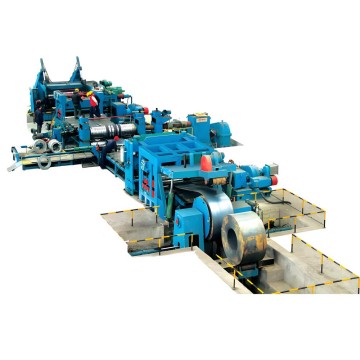
Multi-Process HR Coil Slitting & CTL Line
Unified engineering offering slitting, leveling, and stacked sheet cutting for complex steel processing hubs.
Explore Line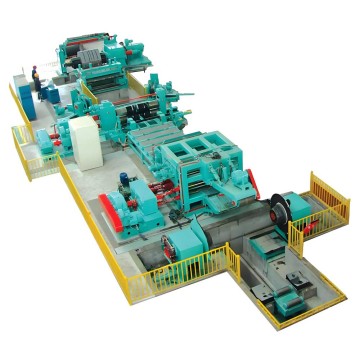
Continuous Hot Rolled Slitting Line
Rotary shearing line with quick-change slitter heads, engineered for structural steel and cold rolling feeds.
Explore Line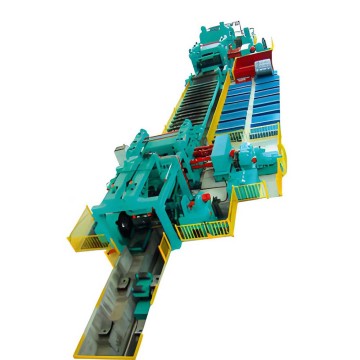
Heavy HR Strip Recoiling Plant
Designed for pipe manufacturing lines requiring tight strip tolerances, clean edges, and uniform recoiling tension.
Explore Line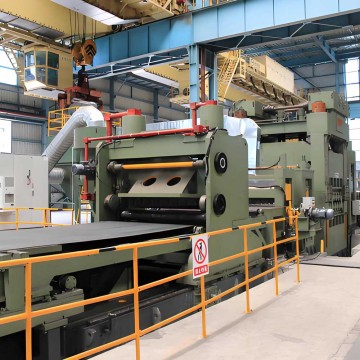
Continuous Moving Shear Production Line
Synchronous cutting technology providing continuous cutting of heavy plates without halting upstream strip flow.
Explore Line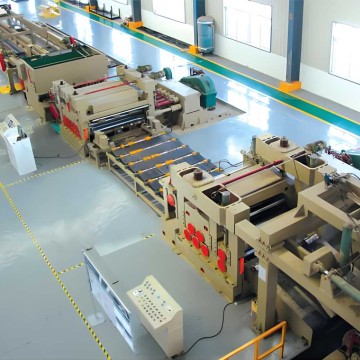
Stainless Heavy Plate Shearing System
Specialized chrome and rubber-coated rolls protecting polished and brushed alloy coils during high-torque processing.
Explore Line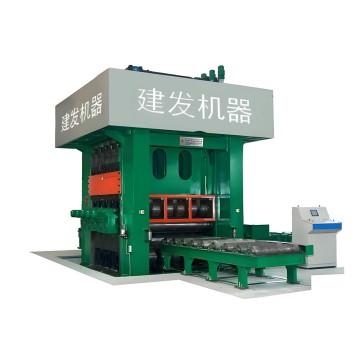
Heavy Plate Structural Leveling Unit
Features heavy hydraulic screw-down systems to correct coil set, cross bow, and localized edge waves in structural plate.
Explore Line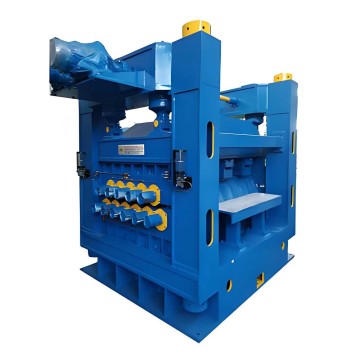
Precision Metal Sheet Straightening System
Pre-slitting sheet flattening to eliminate inward strip pinching and uneven friction during knife penetration.
Explore Line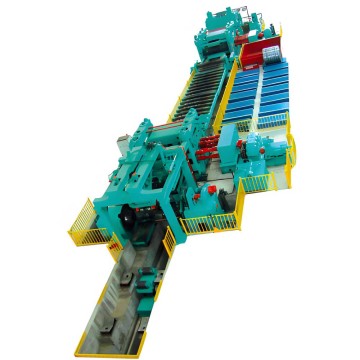
Heavy Hot Rolled Shearing & Stacking Line
Fully automated uncoiling, high-load measuring, transverse shearing, and heavy magnetic/pneumatic stacking system.
Explore LineRequest an Engineering Proposal for Heavy-Gauge Lines
Connect with our technical design team in Wuxi to discuss layout dimensions, capacity calculations, and custom tooling plans.